
Blog
Everything You Need to Know About Elastic Cords for Textiles
16
Oct
Oct
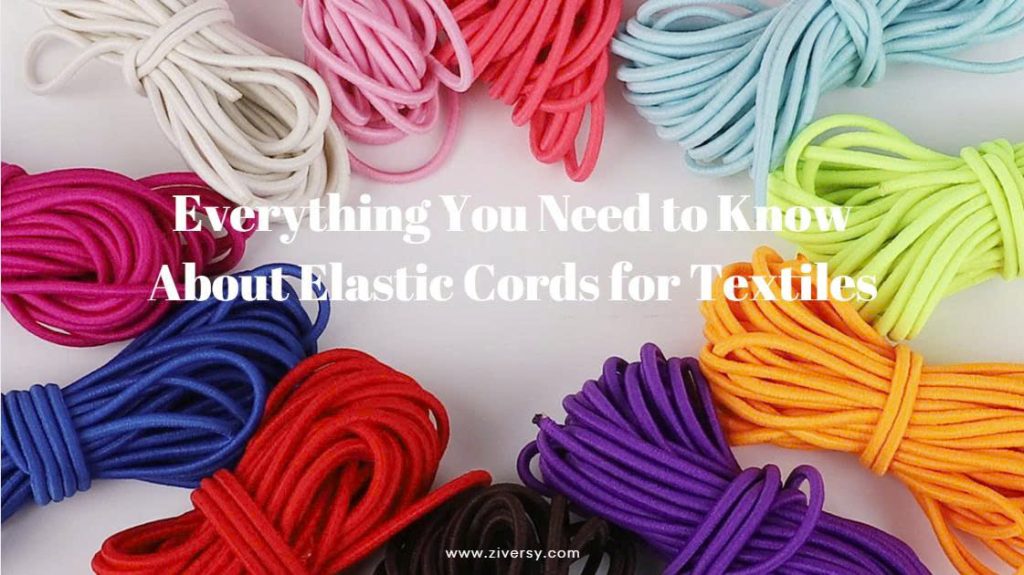
Elastic cord is a high-performance, adaptable material that plays a vital role in garment manufacturing, textile production, sports gear, and DIY projects. Its exceptional elasticity and durability make it the go-to choice for brands and manufacturers aiming to produce comfortable, functional, and long-lasting products.
If you are a textile trader, garment manufacturer, or wholesaler, understanding the characteristics, types, and uses of elastic cords can help you make smarter sourcing decisions. This guide covers everything you need to know—from materials and manufacturing to applications and trends shaping the industry.
What is Elastic Cord?
Elastic cord, often called elasticated cord, is a flexible, stretchable string engineered to return to its original length after being stretched. It is typically wrapped in protective fibers such as nylon, polyester, or cotton to enhance strength and wear resistance, making it suitable for demanding applications.
Key Features of Elastic Cord:
Materials Used in Elastic Cord Production
The materials used directly affect the cord’s performance, stretchability, and lifespan.
How Elastic Cord is Made
The manufacturing process is carefully designed to ensure consistent elasticity and strength:
- 1Core Formation: Rubber or latex strands are extruded to form the stretchable base.
- 2Braiding or Weaving: Fibers like nylon or polyester are woven around the core to create strong, braided cords.
- 3Heat Setting: Heat treatment stabilizes elasticity and enhances long-term durability.
- 4Finishing: Cords are wound into rolls or cut to length, ready for commercial or industrial use.
Types of Elastic Cord
1. Braided Elastic Cord:
2. Flat Elastic Cord:
3. Knitted Elastic Cord:
4. Bungee/Marine-Grade Cord:
5. Elastic Cord Rolls:
Common Applications of Elastic Cord
Case Studies
Tips for Working with Elastic Cord
Trends Driving Elastic Cord Demand
Why Elastic Cord is Essential for Textile Professionals
Elastic cords are no longer just a functional element; they are a key component in modern design. With their flexibility, strength, and customization options, they empower brands to create innovative products that meet evolving consumer demands.
Looking to stay ahead in the textile industry? Invest in high-quality elastic cords tailored to your market needs for enhanced performance, customer satisfaction, and business growth.
